
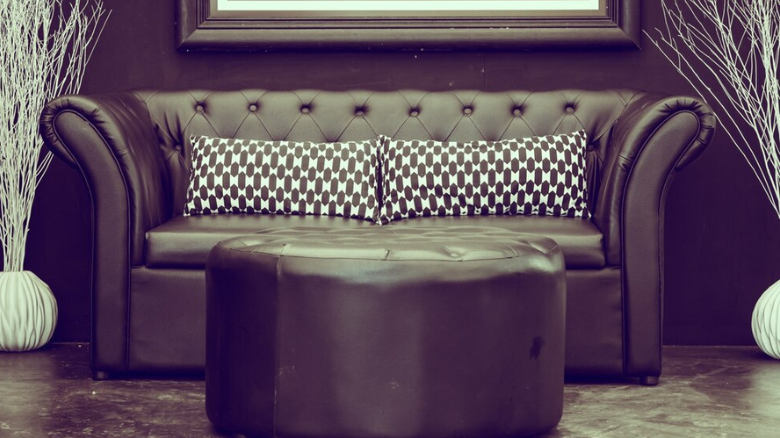
Leather furniture exudes an air of elegance and sophistication in any home. Its rich texture and timeless appeal make it a popular choice among homeowners looking to enhance their living spaces. However, maintaining the allure of leather furniture requires more than just a casual dusting. With the right care, your leather pieces can age gracefully, developing a unique patina that adds character over time. Are you ready to learn how to keep your leather furniture looking magnificent for years to come?
Have you ever wondered why some leather furniture looks pristine, while others appear worn and tired? The secret lies in the care routine.
Key Takeaways:
- Regular cleaning and conditioning are crucial to preserving leather’s natural beauty
- Protect leather from direct sunlight and heat sources to prevent fading and cracking
- Address stains and spills immediately to avoid permanent damage
- Use the right products specifically designed for leather care
- Routine maintenance can extend the lifespan of your leather furniture significantly
How to Maintain and Care for Leather Furniture?
Leather furniture is an investment that deserves attention and respect. Unlike fabric, leather requires a unique approach to cleaning and maintenance. By understanding the specific needs of leather, you can keep your furniture in top-notch condition. Let’s dive into the essential steps you need to follow.
1.Regular Cleaning:
Regular cleaning is the cornerstone of maintaining leather furniture. Start with a soft, dry cloth to wipe away any dust and dirt that may accumulate on the surface. This simple act prevents particles from embedding into the leather, which can cause wear over time. For a deeper clean, use a damp cloth with mild soap, ensuring it’s not too wet, as excess moisture can damage leather.
Once you’ve wiped down the furniture, dry it off with a clean towel. Avoid using harsh chemicals or cleaning agents that aren’t specifically formulated for leather, as these can strip the natural oils and lead to drying and cracking. Remember, gentle care is the key to preserving leather’s natural charm.
Care also depends on which kind of leather you have, so check before you clean:
Types of leather upholstery
| Type | What it is | Care |
|---|---|---|
| Full-grain | The whole top layer of the hide, untouched | Condition every 6 to 12 months; ages into a patina |
| Top-grain | The top layer, lightly sanded and finished for an even look | Condition every 6 to 12 months; more stain-resistant than full-grain |
| Body-touch | Genuine leather where your body touches (seat, back, arms) and matching synthetic on the sides and back | Treat the leather panels as top-grain; wipe the synthetic panels with a damp cloth |
| Vegan leather (PU) | A synthetic polyurethane coating on fabric | Wipe clean with mild soap; no conditioner needed, and oils can damage it |
Sofas at Anu Furniture come in top-grain leather, body-touch leather and vegan leather.
2.Conditioning:
Conditioning is to leather what moisturising is to skin. It replenishes the natural oils and keeps the material supple. Apply a leather conditioner every six to twelve months, depending on the climate and usage. Leather dries out in dry air, so it needs conditioning more often in air-conditioned rooms, in the dry months and near sunny windows, and less often in humid weather. Damp, still air brings a different risk: during the monsoon, keep the room ventilated and wipe leather dry, because it can grow mould.
When choosing a conditioner, opt for one that’s pH-balanced and free of waxes or silicones. Apply it with a soft cloth, working it into the leather in circular motions. Allow the conditioner to absorb fully before using the furniture. This process not only hydrates the leather but also enhances its sheen, giving it a refreshed appearance.
3.Protection from Elements:
To maintain the vibrancy of your leather furniture, it’s vital to protect it from direct sunlight and heat sources. Prolonged exposure to sunlight can lead to fading, while heat can cause the leather to dry out and crack. Position your furniture away from windows or use curtains and blinds to filter the sunlight.
In addition to sunlight, be mindful of placing leather furniture near fireplaces or radiators. The heat can cause irreversible damage. If you must position furniture near these elements, consider using a protective cover or shield to minimise exposure.
As a rule of thumb, keep leather furniture at least 60 cm (2 ft) from heaters and out of the direct airflow of an air conditioner, which dries leather out just as heat does. Like most sofa warranties, Anu Furniture’s doesn’t cover the leather itself or damage from sunlight, so placement matters.
4.Handling Stains and Spills:
Accidents happen, and when they do, quick action is crucial. For liquid spills, blot the area immediately with a clean, dry cloth. Avoid rubbing, as this can spread the stain and push it deeper into the leather. For stubborn stains, use a cleaner made for leather: put a little on a soft cloth rather than on the leather, work it in gently, then wipe with a barely damp cloth and let it dry naturally. Test it on a hidden spot first. Avoid vinegar, alcohol and household sprays, which can dry out the finish and lift the colour, and leave ink and dye stains to a leather specialist, since rubbing usually spreads them.
Oil-based stains require a different approach. Sprinkle baking soda or cornstarch on the affected area and let it sit for a few hours to absorb the oil. Then, brush it off gently and assess if further treatment is needed. Always test any cleaning method on a hidden area first to avoid unexpected damage.
5.Choosing the Right Products:
The market is flooded with leather care products, but not all are created equal. Investing in high-quality, leather-specific cleaners and conditioners will pay off in the long run. Look for products that are free from alcohol, ammonia, and harsh chemicals. These ingredients can cause discolouration and degrade the leather over time.
Some brands offer comprehensive kits that include everything you need for leather maintenance. These kits often come with detailed instructions, making it easier for you to apply the products correctly. By choosing the right products, you protect your investment and prolong the life of your furniture.
6.Routine Maintenance:
Incorporating a routine maintenance schedule is the best way to keep your leather furniture in peak condition. Besides regular cleaning and conditioning, inspect your furniture periodically for any signs of wear or damage. Addressing small issues promptly can prevent them from becoming major problems.
Consider using a humidifier in drier months to maintain optimal humidity levels in your home. Leather thrives in environments with balanced moisture, and a humidifier can help prevent drying and cracking. With consistent care, your leather furniture will continue to be a stylish and functional part of your home.
Conclusion:
Leather furniture is a timeless addition to any home, offering both style and comfort. By following these maintenance tips, you can preserve the beauty and longevity of your investment. Regular cleaning, conditioning, and protection from the elements are crucial steps in your leather care routine. Remember, a little effort goes a long way in keeping your furniture looking its best.