
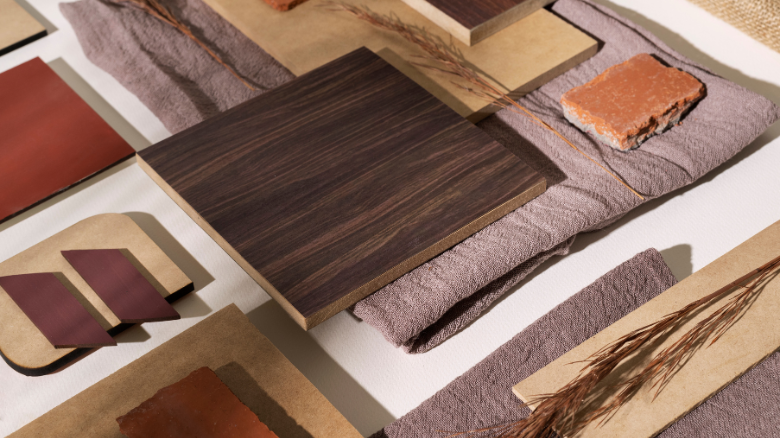
In the vibrant tapestry of Indian homes, furniture does more than fill a space; it tells a story, evokes emotions, and reflects personal style. Choosing the right materials for your furniture is crucial not only for aesthetics but also for functionality, durability, and comfort. With so many options on the market, from timeless wood to sleek metal and modern glass, making an informed decision can be quite the conundrum. But fear not, as we delve into the best materials for furniture, helping you make choices that will stand the test of time and enhance your living spaces.
Have you ever wondered which furniture material truly balances beauty, durability, and affordability for your Indian home?
The Best Materials for Furniture: Wood, Metal, Glass, and Beyond
Choosing furniture materials is like selecting the perfect ingredients for a recipe; each one brings its unique flavour and texture to your home. In India, where climate variations and lifestyle needs are diverse, picking the right material becomes even more critical. Let’s explore the most popular furniture materials, evaluating their strengths and weaknesses to help you make educated choices.
Wood: The Timeless Classic
Wood has been the cornerstone of furniture design for centuries, offering warmth, versatility, and strength. In India, teak wood often takes centre stage due to its resistance to termites and moisture, making it ideal for the humid climate. Its rich grain and natural oils not only add elegance but also promise longevity. Mango wood, another popular choice, is known for its affordability and sustainability. It provides a rustic charm that blends effortlessly with traditional and contemporary interiors alike.
Aside from teak and mango, sheesham (Indian rosewood) is revered for its durability and distinctive grain patterns. It’s perfect for crafting intricate designs and heavy-duty furniture pieces. However, wood furniture requires regular maintenance, such as polishing and protection from pests, to maintain its luster and integrity. Nevertheless, the natural beauty and resilience of wood make it an unbeatable choice for those looking to invest in quality furniture.
In terms of cost, wood can be pricier than other materials, but it often proves to be a worthwhile investment. The initial expense is offset by its durability and timeless appeal. With the right care, wooden furniture can last generations, making it a family heirloom in the making.
Two checks for any solid wood piece: ask whether the timber was kiln-dried, because wood that still holds too much moisture cracks and warps as it dries in your home (IS 287 sets the permissible moisture content of timber for different uses), and ask which wood the frame is, not only the visible surfaces. Many sofas at Anu Furniture, for example, are built on a solid pine timber frame, and several beds use teak.
Metal: Sleek and Modern
Metal furniture is gaining traction in Indian homes due to its sleek appearance and robustness. Materials such as stainless steel and wrought iron are common, offering a modern industrial look that complements contemporary interiors. Stainless steel is particularly valued for its resistance to rust and corrosion, making it suitable for kitchen furniture and outdoor settings.
Wrought iron, on the other hand, adds a classic touch with its ornate designs and sturdy build. It’s perfect for garden furniture, though it does require treatment to prevent rusting. Aluminium is another metal option that combines light weight with strength, ideal for patio and balcony settings where mobility is a factor.
One of the main advantages of metal furniture is its low maintenance. A simple wipe-down with a damp cloth is usually sufficient to keep it looking pristine. However, metal can feel cold and uninviting if not paired with warm accents like cushions or wooden elements. Despite this, its durability and minimalist appeal make metal a popular choice for urban homes.
Most metal furniture indoors is powder-coated steel, which is strong and affordable but rusts wherever the coating chips; stainless steel and aluminium don’t rust at all. In the Anu Furniture range, metal mostly appears where strength matters: 15 of the 55 dining sets stand on solid metal legs, and many recliners have metal-reinforced frames.
Glass: Elegant and Sophisticated
Glass furniture exudes elegance and sophistication, with its transparent nature creating an illusion of space. In Indian homes, glass is often used for dining tables, coffee tables, and display cabinets. Tempered glass is preferred due to its strength and safety features, as it shatters into small, blunt pieces rather than sharp shards when broken.
Toughened (tempered) glass is about four to five times stronger than ordinary glass of the same thickness. In India it is covered by IS 2553 (Part 1) and must be marked “Toughened”, so look for the mark in a corner. For dining tops, 8 to 12 mm is typical. Our guide to glass dining tables covers sizes and care.
While glass furniture makes spaces feel light and airy, it requires more maintenance than other materials. Fingerprints, dust, and smudges can easily mar its surface, necessitating regular cleaning to maintain its pristine appearance. Additionally, glass furniture can be fragile and may not be suitable for homes with young children or pets.
Despite these challenges, glass remains a popular choice for those seeking a modern, minimalist aesthetic. Its ability to blend seamlessly with other materials like wood and metal makes it a versatile addition to any home.
Plastic and Rattan: Affordable and Versatile
Plastic furniture is a budget-friendly option that offers versatility and ease of maintenance. In India, it is often used for outdoor settings due to its resistance to weather elements. Modern plastic furniture comes in a variety of designs and colours, allowing you to add a splash of personality to your spaces without breaking the bank.
Rattan, a natural material derived from palm plants, is another popular choice for both indoor and outdoor furniture. Its lightweight nature makes it easy to move, while its earthy texture adds warmth and character to any setting. Synthetic rattan, or wicker, offers the same aesthetic appeal with added durability and weather resistance, making it ideal for Indian climates.
While plastic and rattan furniture offer affordability and style, they may not provide the same level of durability as wood or metal. However, for those seeking temporary solutions or looking to furnish outdoor spaces, these materials offer a practical and stylish solution.
Beyond the Basics: Exploring Alternative Materials
In addition to the traditional choices, innovative materials like bamboo, particle board, and acrylic are gaining popularity. Bamboo is a sustainable choice that offers a unique aesthetic and excellent durability. It’s lightweight yet strong, making it suitable for a variety of furniture pieces.
Particle board, made from wood chips and resin, is an economical option for budget-conscious buyers. It’s often used in modular furniture, offering a range of finishes to suit different tastes. However, it lacks the strength and longevity of solid wood, making it less suitable for heavy-duty use.
Whichever board you buy, check the type and the ISI mark: IS 303 for plywood, IS 710 for marine plywood and IS 12823 for pre-laminated particle board, and 18 mm thickness for wardrobe and cabinet sides. Our guide to wooden vs engineered furniture compares them.
Acrylic furniture, with its glossy finish and modern appeal, is becoming a favourite for contemporary homes. It’s lightweight, easy to clean, and resistant to moisture and termites. While not as sturdy as wood or metal, acrylic’s versatility and style make it a popular choice for accent pieces and decorative furniture.
Stone-look tops are the other big change in dining and coffee tables. Sintered stone (and similar ceramic tops) is made by pressing minerals under heat into a hard, dense slab that resists heat, scratches and stains, though edges can chip. Marble-look laminate is a printed laminate over board, lighter and cheaper but less heat-resistant. Of the 55 dining sets at Anu Furniture, 23 have marble-look tops, 15 wood and 12 sintered stone or ceramic.
Furniture materials at a glance
| Material | Best for | Watch out for |
|---|---|---|
| Solid wood (teak, sheesham, pine) | Frames, beds, dining tables | Moves with humidity; needs polishing |
| Plywood and boards | Wardrobes, cabinets, bed bases | Swelling where water gets in; check the ISI mark |
| Powder-coated steel | Table legs, frames | Rust where the coating chips |
| Toughened glass | Table tops, shelves | Fingerprints; look for the “Toughened” mark |
| Sintered stone | Dining and coffee table tops | Chipped edges |
| Marble-look laminate | Budget dining tops | Heat marks from hot dishes |
General guide.
Conclusion
Choosing the right material for your furniture is akin to selecting the perfect wardrobe; it should reflect your style, meet your needs, and withstand the test of time. Whether you lean towards the classic charm of wood, the modern allure of metal, the elegance of glass, or the versatility of plastic and rattan, understanding the pros and cons of each material is key to making informed decisions.
In a country as diverse as India, where climate and lifestyle demands vary greatly, selecting furniture that aligns with these factors is crucial. By weighing the aesthetic appeal, durability, and maintenance needs of each material, you can curate a living space that not only meets your functional needs but also tells your unique story.
Explore the best furniture materials at Anu Furniture , featuring solid wood, engineered boards, premium fabrics, and durable metals. Each piece is crafted to ensure long-lasting strength, beauty, and value for your home interiors.